
Finding the best modern dollhouses under $150 means balancing design, scale, construction, play value, and the amount of assembly involved. At this price, shoppers can find attractive contemporary dollhouses, compact starter models, and larger open-front designs, but features vary sharply between listings. Some prioritize realistic rooms and furniture, while others leave space for creative decorating or future upgrades.
The right choice depends on who will use the house, how much room is available, and whether the goal is imaginative play, display, collecting, or a hands-on building project. This guide explains what to check before buying, where budget dollhouses tend to fall short, and which buyer profiles are best served by different styles.
What Modern Dollhouses Are
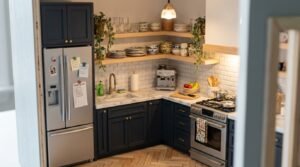
A modern dollhouse is a miniature home designed with contemporary architecture, furniture layouts, colors, or interior styling. Unlike traditional dollhouses with ornate Victorian details, modern versions may feature clean lines, open floor plans, large windows, balconies, neutral finishes, or simplified geometric shapes.
These houses generally serve two purposes. They can be play environments for dolls, small figures, and accessories, or they can be decorative projects for older children, teens, and adults. Some arrive partly assembled, while others are flat-packed kits that require careful construction before they are ready for play or display.
The phrase “under $150” describes a budget limit rather than a fixed product category. Prices, included accessories, shipping costs, and availability can change by seller, region, season, and production batch. A listing that appears affordable may also require separate furniture, figures, lighting, tools, or replacement parts.
Are Modern Dollhouses Under $150 Worth Buying?
They can be. A budget-friendly modern dollhouse is often a sensible choice for buyers who want contemporary styling without committing to a large premium kit. It may provide a strong foundation for imaginative play, room design, craft projects, or a gradual miniature collection.
The main compromise is usually not appearance. It is the combination of materials, scale consistency, included accessories, and assembly quality.
A lower-priced dollhouse may use engineered wood, molded plastic, printed surfaces, or thinner panels rather than thick solid wood. That doesn’t automatically make it a poor purchase, but it makes accurate product information especially important.
When a Budget Dollhouse Makes Sense
- You want a contemporary-looking playhouse without a high initial cost.
- The user enjoys decorating, arranging furniture, or customizing rooms.
- You have enough time and patience for assembly.
- You need a starter house for a child who is new to miniature play.
- You prefer a smaller or more manageable display piece.
- You are comfortable adding accessories over time rather than buying a complete set.
When Another Option May Be Better
A different type of dollhouse may be more suitable if the buyer wants heirloom-quality construction, a very specific doll scale, extensive included furniture, built-in lighting, or a kit intended for advanced miniature work. A used premium house may also offer better materials than a new budget model, although condition and missing parts need close inspection.
For very young children, a sturdy, simple playset may be safer and easier to handle than a detailed miniature kit. Buyers should also consider whether small accessories, narrow stairways, and fragile decorative elements are suitable for the intended age group.
What to Check Before Buying
Build and Material Quality
Look for a clear description of the main panels, framing, floors, and roof. Product listings may use terms such as wood, engineered wood, MDF, plywood, plastic, or composite material. These descriptions matter because the material affects weight, rigidity, screw retention, finish quality, and resistance to repeated handling.
MDF and similar engineered boards can provide smooth surfaces and consistent shapes, but exposed edges may be vulnerable to chips or swelling if the house is exposed to moisture. Plastic can be easy to wipe clean and lighter to move, though some buyers may prefer the visual weight of a wood-based structure.
Do not rely on photographs alone. Check whether the listing identifies panel thickness, hardware, surface finish, or reinforcement. If those details aren’t provided, treat durability as uncertain rather than assuming the house is sturdier than it may be.
Design and Appearance
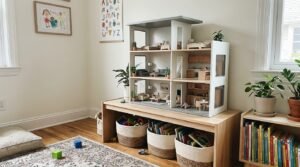
Modern styling can mean very different things. One house may have minimalist white walls and open shelving; another may simply replace traditional trim with brighter colors. Decide whether you want a realistic architectural model, a cheerful children’s playhouse, or a neutral backdrop for custom interiors.
Pay attention to the difference between printed decoration and three-dimensional construction. Printed flooring or wall graphics can look effective in photographs but may not provide the same depth as separate trim, molding, doors, or windows.
Neither approach is automatically wrong. The better choice depends on whether you care more about quick visual impact or hands-on customization.
Size, Scale, and Fit
Dimensions should be checked before purchase, particularly if the house will sit on a shelf, desk, dresser, or playroom floor. Exterior height alone doesn’t tell you how much usable room exists inside. Compare the floor dimensions, doorway openings, ceiling height, and depth of each room.
Scale is just as important. A dollhouse may be physically large but unsuitable for the dolls or furniture you already own.
Listings sometimes state a scale, but scale conventions can vary across brands and product types. If the manufacturer doesn’t provide a clear scale, measure the largest figures and furniture pieces you plan to use before ordering.
Features and Functionality
Useful features may include open-front access, hinged walls, removable roofs, balconies, staircases, working doors, windows, elevators, or built-in storage. These features affect how easily the house can be played with and displayed.
An open-back or open-front layout usually makes rooms easier to reach, especially for children. Enclosed designs may look more architectural but can be awkward if the user has to reach through small windows. Check whether decorative features reduce usable floor area.
Included Accessories
Some listings show a fully furnished house but include only the structure. Others provide furniture, miniature accessories, stickers, lighting, or figures. Read the included-items list carefully and compare it with the photographs.
Accessories can add considerable cost after purchase. If the house comes empty, that may be a benefit for creative buyers who want to decorate from scratch. It may be frustrating for someone expecting a ready-to-play setup.
Assembly and Difficulty
Assembly is one of the most important differences among affordable dollhouses. A small model with fewer panels may be manageable for a beginner, while a larger multi-room kit can require sorting hardware, interpreting diagrams, aligning panels, and waiting for adhesive to cure.
Before buying, check whether the kit requires:
- A screwdriver, hammer, craft knife, glue, or other tools.
- Adult assembly or supervision.
- Painting, wallpapering, or trimming after construction.
- Multiple construction stages rather than one short setup.
- Extra hardware or replacement parts if something is missing.
Reviews can be useful for identifying confusing instructions, misaligned holes, fragile tabs, or difficult roof sections. Those reports are user experiences, not guarantees that every unit will have the same issue, but repeated comments deserve attention.
Durability and Maintenance
A modern dollhouse should be kept on a stable, level surface. Heavy furniture or frequent relocation can place strain on floors, stairs, balconies, and roof panels. A house designed mainly for display may not withstand the same treatment as a toy intended for daily handling.
Maintenance is usually simple: dust with a soft, dry cloth and keep wood-based components away from water. Avoid strong cleaners on printed surfaces, decals, painted trim, or unfinished edges. If the house includes fabric items, confirm whether they can be removed for cleaning.
Customer Feedback and Common Complaints
Public reviews are most helpful when they describe a specific problem rather than simply assigning a star rating. Look for comments about missing parts, unclear instructions, inaccurate dimensions, weak fasteners, finish defects, and whether the finished house matches the listing photos.
Also separate issues caused by shipping from design limitations. A cracked panel may be a delivery problem, while a small doorway or limited accessory set is a permanent product characteristic. Check the seller’s replacement-part and return policies before purchasing, especially for kits with many components.
Comparison: Which Type Fits Your Needs?
Because no specific product models or verified specifications were supplied for this roundup, the table below compares the main types of modern dollhouses commonly found within a sub-$150 budget. Treat it as a buying framework, not a ranking of individual products.
| Type | Best For | Typical Difficulty | Key Feature | Main Drawback | Overall Value |
|---|---|---|---|---|---|
| Compact modern house | Small rooms, shelves, and beginners | Low to moderate | Manageable footprint | Limited room and storage space | Good when space matters most |
| Open-front multi-room house | Interactive play and easy access | Moderate | Accessible interior layout | May require more floor space | Strong for regular play |
| Flat-pack modern kit | Craft projects and customization | Moderate to high | Decorating and building flexibility | More time and tools may be needed | Best for hands-on buyers |
| Furnished starter set | Quick setup and younger users | Low to moderate | Furniture or accessories included | Less freedom in layout or scale | Convenient if contents are clearly listed |
| Display-focused architectural model | Collectors and room styling | Moderate | Contemporary visual design | May be less suitable for rough play | Good for careful display use |
Modern Dollhouse Safety and Age Considerations
Age guidance should be taken seriously, particularly when a set includes tiny furniture, miniature food, decorative pieces, or detachable hardware. A dollhouse intended for older children or adult hobbyists may contain small parts that aren’t appropriate for toddlers.
Inspect the finished house for sharp edges, loose fasteners, splintered board, unstable furniture, and accessible cords if lighting is included. For general toy-safety information, the U.S. Consumer Product Safety Commission toy safety guidance is a useful reference.
Adult assembly may be necessary even when a product is marketed for children. After construction, an adult should check that the structure is stable and that doors, balconies, stairs, and removable pieces are secure.
Recommendations by Buyer Type
For Beginners
Choose a compact or moderately sized house with clear instructions, fewer decorative parts, and an uncomplicated floor plan. A simple open-front design may be easier to assemble and more satisfying than a large kit with many small components.
For Children Who Want to Play
Prioritize accessibility over architectural detail. Wide openings, reachable rooms, stable floors, and durable surfaces matter more than delicate trim. Confirm the recommended age range and whether the house works with the child’s existing dolls or figures.
For Experienced Miniature Hobbyists
A largely empty flat-pack house may offer better value than a furnished starter set. It leaves room for paint, wallpaper, lighting, custom furniture, and room-by-room design. Verify the scale and panel material before committing to a detailed customization project.
For Appearance-Focused Buyers
Study photographs from multiple angles and check whether the styling depends on printed graphics or actual architectural details. Neutral colors and simple lines may age better if you expect to change the interior over time.
For Value-Focused Buyers
Compare the complete cost, not only the initial listing price. Include furniture, figures, tools, shipping, and potential replacement parts. A less decorated house can be the better value if it has a sturdier structure and uses accessories you already own.
For Buyers Seeking Premium Quality
A sub-$150 ceiling may limit material thickness, finish quality, and included features. If the house is intended as a long-term collectible or heirloom, consider expanding the budget or looking at used high-quality models. Inspect condition, completeness, and repair needs carefully when buying secondhand.
Common Buying Mistakes to Avoid
- Assuming every item shown in the product photograph is included.
- Ignoring the house’s depth because the height looks suitable.
- Buying without checking scale compatibility.
- Expecting a flat-pack kit to be ready for play immediately.
- Overlooking the need for glue, tools, paint, or extra hardware.
- Choosing a delicate display model for a young child who plays roughly.
- Relying on a single customer review or a seller’s lifestyle photograph.
- Forgetting to review return and replacement-part policies.
How to Evaluate a Listing Before Purchase
- Record the external height, width, and depth.
- Check the interior dimensions of the rooms and openings.
- Confirm the scale or compare measurements with your existing figures.
- Read the complete included-items list.
- Identify the main materials and whether finishing is required.
- Look for assembly instructions, tool requirements, and age guidance.
- Scan recent reviews for recurring defects or missing-part complaints.
- Check shipping, returns, replacement parts, and seller support before ordering.
Frequently Asked Questions
What should I expect from a modern dollhouse under $150?
Expect a range of compact houses, open-front playsets, flat-pack kits, and starter models. Some may include furniture or decorative pieces, but the contents, materials, scale, and assembly requirements vary widely. Always verify the individual listing.
Are inexpensive dollhouses durable enough for children?
Some are, but durability depends on the materials, construction, and how the house will be used. A model made for careful display may not withstand frequent carrying or rough play. Look for stable construction, smooth edges, secure fittings, and age-appropriate design.
Do modern dollhouses come fully assembled?
Many require at least some assembly, and larger kits may require substantial construction. Product pages should state whether tools, adhesive, painting, or adult help are needed. If that information is missing, contact the seller before buying.
What scale should I choose?
Choose a scale that matches the dolls, figures, and furniture you already own. If the seller doesn’t provide a clear scale, compare doorway, room, and furniture measurements instead of relying on photographs.
Are furniture and dolls usually included?
Not necessarily. Some sets are sold as structures only, while others include furniture, accessories, or figures. Treat photographs as illustrative unless the written contents list confirms each item.
Can a modern dollhouse be used as a display model?
Yes, particularly if it has a contemporary exterior, clean interior design, and a stable footprint. Display buyers should still check finish quality, dust protection, lighting requirements, and whether the structure is sturdy enough to remain assembled in its intended location.
Final Verdict
The best modern dollhouses under $150 are usually the ones that match the user’s purpose rather than the ones with the most elaborate photographs. A compact open-front model may suit everyday play, while a flat-pack structure can be more rewarding for an experienced decorator. Buyers should verify dimensions, scale, materials, included accessories, assembly requirements, and seller support before ordering.
This category is worth considering for affordable creative play and contemporary miniature design, but expectations should remain realistic. If long-term durability, premium finishes, or extensive furnishings matter most, spending more or choosing a carefully inspected secondhand model may be sensible. Compare the complete setup cost, then choose the house that fits the space, skill level, and intended use.