Choosing among the best painted wooden dollhouses for kids involves more than picking the prettiest design. A good dollhouse needs to suit the child’s age, available play space, and willingness to handle small furniture or assemble a larger structure. Painted wood can offer a warm, decorative look, but finishes, construction quality, included accessories, and safety details vary widely between models and sellers.
Because no specific products or verified model specifications were supplied for this comparison, the advice below focuses on how to assess the category honestly. You’ll learn what to check before buying, which features matter most, where wooden dollhouses can disappoint, and which type is likely to suit a beginner, imagin
ative playroom, or more involved miniature setup.
What Is a Painted Wooden Dollhouse?
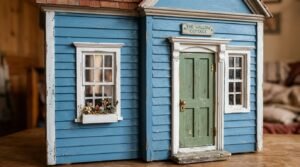
A painted wooden dollhouse is a miniature house made primarily from wood or engineered wood, with painted or finished surfaces that create rooms, walls, trim, doors, windows, or decorative details. Children use these structures for pretend play, arranging furniture, creating stories, and developing imaginative scenarios with dolls or other small figures.
Some models arrive largely assembled, while others require adult construction. Certain dollhouses include furniture and accessories;
others provide only the building, leaving buyers to purchase room sets separately. The product description should make this distinction clear, but listings are not always consistent, so check the contents carefully before ordering.
“Painted” doesn’t automatically mean a dollhouse is safer, stronger, or better made. Buyers should look for clear information about the finish, recommended age, small parts, materials, dimensions, and assembly requirements.
Are Painted Wooden Dollhouses Worth Buying?
For many families, a wooden dollhouse is worth considering because it creates open-ended play rather than limiting children to one activity. A child can furnish rooms, invent characters, practice simple social situations, and revisit the same toy over time. The structure may also look more at home in a bedroom or playroom than a brightly branded plastic alternative.
That said, a wooden dollhouse isn’t automatically the right choice. It can take up substantial floor or shelf space, may require assembly, and often works best with accessories that add to the
total cost. Painted surfaces can also show marks, chips, or wear, particularly if the house is moved frequently.
A Wooden Dollhouse May Be a Good Choice If:
- The child enjoys pretend play, storytelling, arranging objects, or role-playing.
- You want a sturdy-looking alternative to a lightweight plasti
c playset. - The dollhouse will stay in one location where its size won’t become inconvenient.
- You’re comfortable checking age guidance and supervising small accessories.
- You prefer a decorative toy that can remain part of a bedroom or playroom.
Consider an Alternative If:
- The child is very young and may put small furniture or figures in their mouth.
- You need a compact toy that can be packed away after every play session.
- You don’t want to assemble a large structure or source missing accessories.
- The child prefers vehicles, construction toys, active play, or electronic features.
- You’re buying for a child who is likely to outgrow miniature pretend play quickly.
-

What to Check Before Buying
Build and Material Quality
Look beyond the word “wooden.” Product listings may refer to solid wood, plywood, medium-density fibreboard, particleboard, or a mixture of materials. Each can be suitable for a toy, but the construction method affects weight, stability, surface finish, and resistance to damage.
Inspect product photographs for supported floors, clean joins, stable walls, and edges that appear smoothly finished. If the listing doesn’t identify the main materials, don’t assume the entire dollhouse is solid timber. Ask the seller or check the manufacturer’s documentation.
Also consider the design’s balance. A tall, narrow house may need a stable base or wall anchoring, especially in a busy playroom. A wider, lower design may be easier for younger children to reach and less likely to tip during play.
Paint and Surface Finish
Paint affects both appearance and maintenance. A smooth, even finish is easier to wipe than a heavily textured surface, while pale colours may show dirt more readily. Painted trim can make a dollhouse attractive, but decorative detail shouldn’t distract from poorly finished edges or exposed fasteners.
Buyers should look for explicit information about the coating and whether it is intended for children’s products. Avoid assuming that a colourful finish is non-toxic simply because the product is marketed to children. If the seller does not provide relevant safety or finish information, verify it before purchase.
Size and Room Layout
Measure the intended location before choosing a dollhouse. Include extra clearance for opening doors, reaching into rooms, moving the structure, and allowing a child to play comfortably. A dollhouse that fits on paper may still be awkward if it blocks a walkway or sits too high for the child.
Interior scale matters, too. Furniture and dolls need to fit the rooms, but scale standards are not universal across brands. If you already own accessories, compare their dimensions with the dollhouse’s room height, door openings, and floor depth.
Features and Functionality
Useful features vary according to how the child plays. Open-front designs make rooms easier to reach, while a hinged or folding house may be easier to store. Windows, doors, stairs, balconies, and removable sections can add interest, but each additional moving part creates another point that may loosen or break.
Before buying, consider whether the child will benefit from:
- Multiple accessible rooms for shared play.
- Removable or movable furniture.
- Opening doors and windows.
- A roof, attic, balcony, or outdoor area.
- Storage space for figures and accessories.
- Compatible furniture sets available from the same or other brands.
More features aren’t necessarily better. A simple, sturdy interior can be more enjoyable than an elaborate house that is difficult for small hands to reach.
Assembly Requirements
Assembly is one of the most important practical considerations. Check whether tools are required, whether two adults are recommended, and whether the product arrives flat-packed or partially assembled. The seller should also state an approximate assembly time, although actual time can vary with experience and the clarity of the instructions.
Pay attention to customer feedback about unclear diagrams, missing hardware, misaligned panels, and weak connection points. These complaints can be more useful than promotional photographs because they highlight the real setup experience, though individual reports may reflect a particular batch or seller.
Accessories and Compatibility
A dollhouse may be sold as a building only, as a furnished set, or with a mixture of furniture and decorative pieces. Don’t compare models based on the house alone if one includes room sets and the other does not.
Check the number and type of included accessories. A listing might show dolls, beds, kitchens, or lamps in staged images without including them in the box. The written contents list should be treated as the more reliable reference.
Compatibility is also important. If a house uses an unusual scale, replacement furniture may be difficult to find. Standard-looking pieces can still vary enough in height and depth to make rooms feel crowded.
Durability and Maintenance
Wooden construction can feel substantial, but durability depends on the material thickness, joinery, paint, hardware, and how the toy is used. A house intended for gentle shelf play may not withstand frequent carrying or climbing pressure.
For routine care, use a soft, slightly damp cloth and avoid soaking unfinished or vulnerable surfaces. Keep the structure away from prolonged moisture and direct heat. If a part becomes loose, repair it promptly rather than allowing a child to continue using an unstable component.
Safety and Age Suitability
Age guidance should be treated as a starting point, not a substitute for supervision. Small furniture, miniature figures, decorative components, and removable parts may create choking risks for younger children. A large house may also have pinch points, sharp corners, or heavy panels that need attention.
Before buying, verify:
- The manufacturer’s recommended age range.
- Whether small parts are included.
- Whether the house needs to be anchored or placed against a wall.
- Whether the paint and materials are clearly identified.
- Whether the structure has accessible edges, hinges, or moving parts.
- Whether adult assembly and supervision are required.
Comparison Factors for the Main Dollhouse Types
Since no individual products were provided for this review, the table below compares common painted wooden dollhouse formats rather than ranking specific brands or models.
| Type | Best For | Typical Difficulty | Key Feature | Main Drawback | Overall Value Consideration |
|---|---|---|---|---|---|
| Open-front wooden house | Regular pretend play and shared access | Usually moderate assembly | Rooms are easy to reach | Can take up permanent floor or shelf space | Good when accessibility matters more than storage |
| Compact wooden dollhouse | Smaller bedrooms, shelves, or limited play areas | Often simpler, but model-dependent | Smaller footprint | Less room for furniture and multiple children | Practical if space is the main constraint |
| Large multi-room house | Children who enjoy extended, detailed play | Often more involved | More rooms and decorating possibilities | Higher space, assembly, and accessory demands | Best value when the child will use it regularly |
| Folding or portable house | Families needing occasional storage | Varies by hinges and design | Can be closed or moved more easily | Moving parts may need extra care | Useful if portability outweighs maximum room size |
How Painted Wooden Dollhouses Compare With Alternatives
Wood Versus Plastic
Wooden dollhouses generally appeal to buyers who prefer a furniture-like appearance and a more substantial structure. Plastic houses may be lighter, easier to clean, and less stressful to move. They can also offer brighter colours or integrated play features.
The better choice depends on use rather than material preference alone. Choose wood when appearance, tactile feel, and long-term room play are priorities. Consider plastic when low weight, easy cleaning, or frequent relocation matters more.
Wood Versus Cardboard
Cardboard houses are often lighter and easier to store, but they may be less suitable for rough play or long-term use. They can work well for occasional projects, creative decorating, or a child who enjoys changing the scene regularly.
Painted wood is usually the more permanent option, but its size and cost can be harder to justify if the dollhouse will only be used briefly.
Painted Wood Versus Unfinished Wood
Pre-painted houses save time and provide a consistent appearance from the start. Unfinished models allow children and adults to customise colours, wallpaper, and trim, but they require additional materials, planning, and care.
An unfinished house may suit a craft-focused family. A painted model is more convenient for buyers who want immediate play without taking on a decorating project.
Common Advantages and Drawbacks
Potential Advantages
- Encourages open-ended storytelling and imaginative play.
- Wooden designs can have a warm, decorative appearance.
- Room layouts support furniture arranging and role-play.
- Many models can be expanded with additional accessories.
- A sturdy design may remain useful across several stages of childhood.
- Painted surfaces are ready to use without a separate finishing project.
Potential Drawbacks
- Large houses may be difficult to store or move.
- Assembly can take longer than product photos suggest.
- Included furniture and figures may be limited.
- Paint can chip, scratch, or show marks with heavy use.
- Small accessories may not suit toddlers.
- Replacement parts and compatible furniture may be difficult to find.
- Specifications and contents can vary by seller or production batch.
Who Should Buy a Painted Wooden Dollhouse?
Best for Beginners
First-time buyers should look for a manageable footprint, clear assembly instructions, accessible rooms, and a straightforward accessory list. A smaller or medium-sized model may be easier to live with than a large house packed with features.
It’s also sensible to choose a design that doesn’t depend on buying a complete collection of additional furniture before the child can play.
Best for Appearance-Focused Buyers
If the dollhouse will remain visible in a bedroom or family room, examine the paint quality, colour scheme, trim, and overall proportions. Product photos can be heavily staged, so look for close-up images and customer photographs when available.
Prioritise a finish that looks consistent and a design that suits the room rather than choosing solely by the number of decorative details.
Best for Small Spaces
Compact houses, folding formats, and tabletop designs are more practical for apartments, shared bedrooms, and homes without a dedicated playroom. Measure both the house and the surrounding play area. A small footprint is less useful if the interior becomes too cramped for hands and furniture.
Best for Detailed, Ongoing Play
Children who enjoy arranging scenes, creating family stories, or decorating rooms may appreciate a larger multi-room house. In this case, compatibility and replacement accessory availability deserve as much attention as the building itself.
Who May Want to Avoid This Category?
A painted wooden dollhouse may not suit families who need a lightweight toy that can be packed away daily. It may also be a poor match for toddlers who still mouth objects, children who prefer active toys, or buyers who don’t have time to assemble and maintain a larger structure.
How to Assess Customer Feedback
Reviews can reveal problems that specifications don’t show, but they should be read selectively. A complaint about a missing screw may concern one shipment, while repeated reports of poor alignment, fragile balconies, or chipped paint deserve more weight.
Look for patterns involving:
- Whether the delivered product matches the listing photographs.
- Missing or confusing assembly hardware.
- Paint quality and visible damage on arrival.
- Stability after assembly.
- Room size and compatibility with advertised accessories.
- Customer service responses to damaged or incomplete orders.
- Whether the product is practical for the advertised age group.
Feedback can also vary by retailer, region, and production run. Confirm the exact seller, model name, box contents, and return policy before treating a review as relevant to the item you plan to buy.
Questions to Ask Before Ordering
- What materials make up the walls, floors, roof, and furniture?
- Is the paint or finish described clearly for a children’s product?
- What exactly comes in the box?
- How much adult assembly is required?
- Will the dollhouse fit the available room and existing accessories?
- Does the structure need wall support or anchoring?
- Are replacement parts available if something is damaged?
- What is the seller’s policy for missing pieces or delivery damage?
- Are small parts included, and does the age guidance suit the child?
FAQ About Painted Wooden Dollhouses for Kids
What is the best type of paint to use on a wooden dollhouse?
For a DIY project, use a paint clearly labelled as suitable for children’s toys and follow the manufacturer’s curing instructions. Avoid assuming that any household paint is appropriate. Pre-painted products should provide clear information about their finish, but buyers should verify this when the listing is vague.
What is the best dollhouse for a five-year-old?
The right choice depends on the child’s size, play style, and the house’s age guidance. A five-year-old may benefit from accessible rooms, durable construction, and furniture that is easy to handle. Avoid judging suitability by age alone; check small parts, dimensions, stability, and supervision requirements.
Are wooden dollhouses suitable for toddlers?
Some may be, but many include small furniture, miniature figures, or detachable decorations that are not suitable for children who still mouth objects. Check the manufacturer’s age recommendation and inspect the design for small or loose components before buying.
Do painted wooden dollhouses come with furniture?
Some do and some don’t. Product images often show staged rooms, so rely on the written contents list rather than the photographs. If the listing is unclear, ask the seller whether furniture, dolls, lighting, and decorative pieces are included.
How much space does a wooden dollhouse need?
The required space depends on the model’s width, height, depth, and access points. Measure the storage location and leave room for children to stand or sit comfortably while playing. Tall houses may also need extra clearance and stability support.
Why do some wooden dollhouses cost more than others?
Price differences can reflect size, material thickness, construction, paint finish, included accessories, brand support, and assembly complexity. A higher price doesn’t guarantee better quality, so compare what is included and verify the construction details before deciding.
Final Verdict
The best painted wooden dollhouses for kids are the ones that match the child’s age, play habits, available space, and the family’s tolerance for assembly and maintenance. A well-finished wooden house can provide years of imaginative room play, but its value depends on stability, accessible design, clear safety information, and realistic accessory costs.
Before buying, verify the exact materials, dimensions, box contents, finish, age guidance, and seller policies. If those details are missing, choose a more transparent listing or consider a simpler alternative. For families who want a permanent, attractive pretend-play centre, a carefully selected painted wooden dollhouse can be a worthwhile purchase; for smaller spaces or younger children, portability and safety may matter more than decorative detail.